
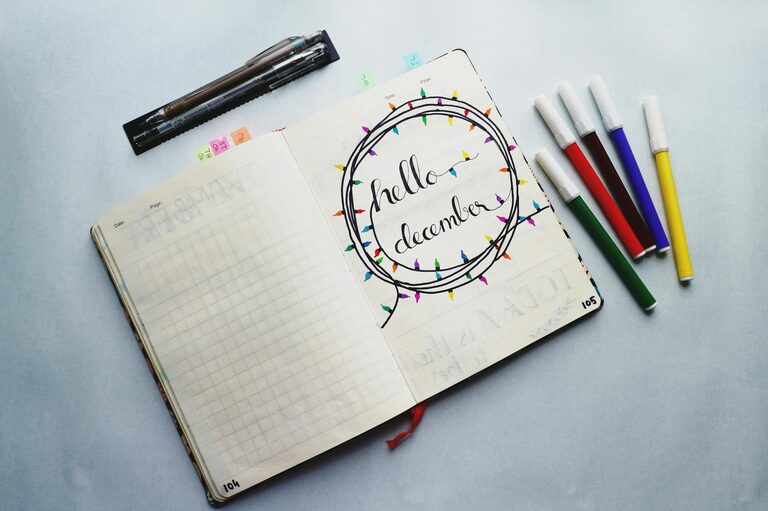
If you’ve been looking for a fun and flexible way to organize your tasks, goals, and memories, bullet journaling might be just what you need. This system combines creativity with practicality, making it easy to manage your life in one beautiful notebook. Whether you’re a total beginner or curious about how to start, this guide will walk you through the basics of bullet journaling.
What Is Bullet Journaling?
Bullet journaling, often called “bujo,” is a customizable method of planning and note-taking created by Ryder Carroll. It uses simple symbols and short entries to track tasks, events, and notes efficiently. Unlike traditional planners, it allows you to design your layout to suit your unique style and needs.
Why Try Bullet Journaling?
– Flexible: You can create daily, weekly, or monthly pages as you need.
– Creative outlet: Many use it to combine art and productivity.
– Keeps you focused: The method helps prioritize tasks and reduce clutter.
– Personalized: Tailor it exactly to your lifestyle without preset formats.
What You Need to Get Started
Starting bullet journaling doesn’t require fancy supplies. Here’s what you’ll need:
– A notebook: Dot grid notebooks are popular, but lined or blank pages work fine.
– Pens: Fine liners, gel pens, or colored pens to add variety.
– Ruler (optional): For drawing straight lines.
– Markers or highlighters (optional): To emphasize important information.
Basic Components of a Bullet Journal
Before you dive in, it’s helpful to understand the core elements:
1. Index
The index is like a table of contents. It helps you find pages quickly by listing topics and their page numbers.
2. Future Log
A section to jot down important dates and events in the upcoming months.
3. Monthly Log
A calendar-like spread that gives an overview of the month’s tasks and appointments.
4. Daily Log
Your day-to-day list of tasks, events, and notes.
5. Collections
Special pages devoted to a specific topic, like books to read, habit trackers, or project plans.
Understanding the Key: Bullets and Symbols
The bullet method uses simple symbols to categorize your entries:
– Tasks: Represented by a dot (•)
– Events: Represented by a circle (○)
– Notes: Represented by a dash (–)
You can customize symbols further, for example:
– Completed tasks: Cross out or fill in the dot (✔)
– Migrated tasks: Use an arrow (→) when moving tasks to another day
– Priority tasks: Highlight with a star (*) or exclamation (!)
Step-by-Step Guide to Create Your First Bullet Journal Spread
Step 1: Set Up the Index
Number your pages as you go and record each significant page in the index. For example: “Page 3 – March Monthly Log.”
Step 2: Create the Future Log
Divide a few pages into sections for upcoming months. Write down future appointments, birthdays, or reminders.
Step 3: Build Your Monthly Log
On one page, list the days of the month vertically with initials of weekdays to the side. On the opposite page, create a task list for things to do this month.
Step 4: Write Your Daily Logs
Each day, list your tasks, events, and notes using the symbols from the key. At the end of the day, review what’s done, migrate incomplete tasks, and prepare for the next day.
Step 5: Add Collections
Add any special lists or trackers you want to include. Habit trackers are a popular choice for monitoring things like water intake, exercise, or reading.
Tips for Staying Consistent
– Keep your bullet journal simple at first to avoid overwhelm.
– Set aside a few minutes each day to update it.
– Use colors or doodles to make it visually appealing and enjoyable.
– Don’t be afraid to adjust your system as you learn what works best for you.
Ideas to Customize Your Bullet Journal
Bullet journals are highly personal. Here are some inspiring ways to make it your own:
– Mood trackers to visualize emotional patterns.
– Meal planners for weekly grocery lists and recipes.
– Gratitude logs to reflect on positives each day.
– Goal trackers to monitor progress toward personal or professional goals.
– Inspirational quotes to keep motivation high.
Final Thoughts
Bullet journaling is more than just a planner—it’s a tool for mindfulness, creativity, and organization combined. The best part? You don’t need to be an artist or have perfect handwriting. The flexibility to change and grow with your needs makes bullet journaling a great habit to start anytime.
So grab a notebook and pen, and give it a try. With a little experimenting, you’ll find a style that helps you stay focused, motivated, and organized in a way that’s all your own. Happy journaling!