
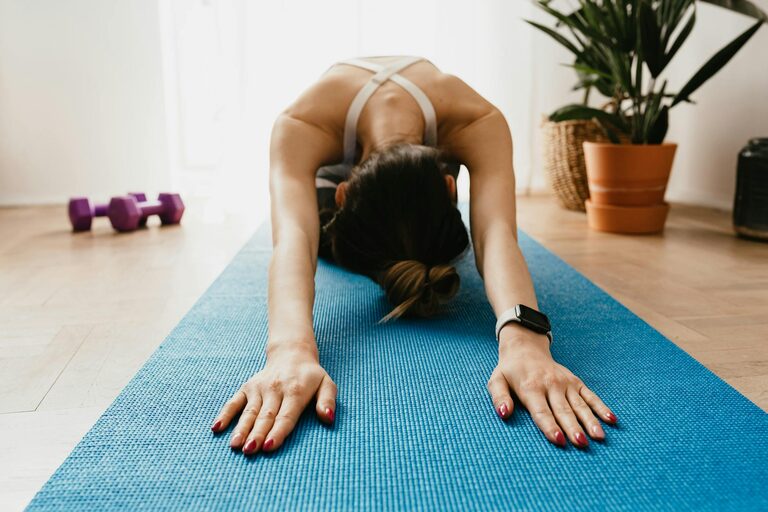
Stretching is a simple yet powerful way to improve your flexibility, reduce muscle tension, and boost overall well-being. You don’t need a gym membership or expensive equipment to stretch properly—just a little space at home and a few minutes each day. This beginner’s guide will walk you through the basics of stretching, explain its benefits, and provide easy stretches you can do on your own.
Why Stretching Matters
Many people overlook stretching in their daily routine, but it plays a crucial role in maintaining healthy muscles and joints. Here are some reasons why stretching is important:
– Improves flexibility: Regular stretching helps lengthen muscles and tendons, making everyday movements easier.
– Enhances posture: Stretching can help correct muscle imbalances and reduce stiffness.
– Increases blood flow: Stretching promotes circulation, which helps muscles recover and perform better.
– Reduces risk of injury: Stretching prepares muscles for physical activity and decreases muscle tightness.
– Relieves stress: Gentle stretching encourages relaxation and mindfulness.
When and How to Stretch at Home
Stretching works best when your muscles are warm. You can stretch:
– After a light warm-up like walking in place for 5-10 minutes.
– After exercising when muscles are still warm and pliable.
– Anytime during the day to relieve muscle stiffness from sitting.
Basic Stretching Tips for Beginners
– Start slow: Hold each stretch for 15-30 seconds without bouncing.
– Breathe naturally: Inhale and exhale deeply while stretching.
– Listen to your body: Stretch only to the point of mild tension, not pain.
– Be consistent: Aim to stretch at least 3-5 times per week.
Easy Stretches to Try at Home
Here are some gentle stretches targeting major muscle groups. You can do these without any special equipment.
Neck Stretch
– Sit or stand with a straight back.
– Slowly tilt your head toward your right shoulder until you feel a gentle stretch on the left side of your neck.
– Hold for 20 seconds, then switch sides.
Shoulder Rolls
– Stand or sit upright.
– Lift your shoulders up towards your ears, then roll them backward and down in a smooth circle.
– Repeat 10 times, then roll forward 10 times.
Chest Stretch
– Stand near a wall or doorway.
– Place your right forearm against the wall with your elbow at shoulder height.
– Gently turn your body to the left until you feel a stretch in your chest.
– Hold for 20 seconds, then switch arms.
Cat-Cow Stretch (Back and Spine)
– Start on all fours with hands under shoulders and knees under hips.
– Inhale while arching your back—lifting your head and tailbone (Cow).
– Exhale while rounding your spine—tucking your chin to chest (Cat).
– Repeat slowly 8-10 times.
Hamstring Stretch
– Sit on the floor with your right leg extended and left foot touching your right inner thigh.
– Keeping your back straight, reach toward your right toes.
– Hold for 20-30 seconds, then switch legs.
Hip Flexor Stretch
– Kneel on your right knee with your left foot in front, forming a 90-degree angle.
– Shift your weight forward slightly until you feel a stretch in the front of your right hip.
– Hold for 20 seconds, then switch sides.
Calf Stretch
– Stand facing a wall and place your hands on it at shoulder height.
– Step back with your right foot, keeping your heel flat on the floor.
– Lean slightly forward to stretch your right calf.
– Hold for 20 seconds, then switch legs.
Creating a Stretching Routine
Consistency is key to improving flexibility and muscle health. Consider the following steps to build a simple routine:
- **Choose 5-7 stretches** that cover your whole body.
- **Set aside 10-15 minutes daily** or every other day.
- **Focus on slow, controlled movements** rather than speed.
- **Include deep breathing** to maximize relaxation.
- **Track your progress** by noting improved comfort or range of motion.
Safety Precautions
– Avoid stretching cold muscles—warm up first.
– Don’t push into pain. Mild discomfort is okay but sharp or intense pain is a warning.
– If you have any injuries or chronic conditions, consult a healthcare professional before starting.
– Stop immediately if you feel dizzy or lightheaded.
Final Thoughts
Stretching at home is an easy, low-cost way to support your physical health. With a few minutes each day, you can enhance flexibility, reduce muscle tension, and feel more relaxed. Start gently, listen to your body, and build your routine gradually. Before long, stretching will become a natural part of your day.
Remember, your body will thank you for the care! Happy stretching!